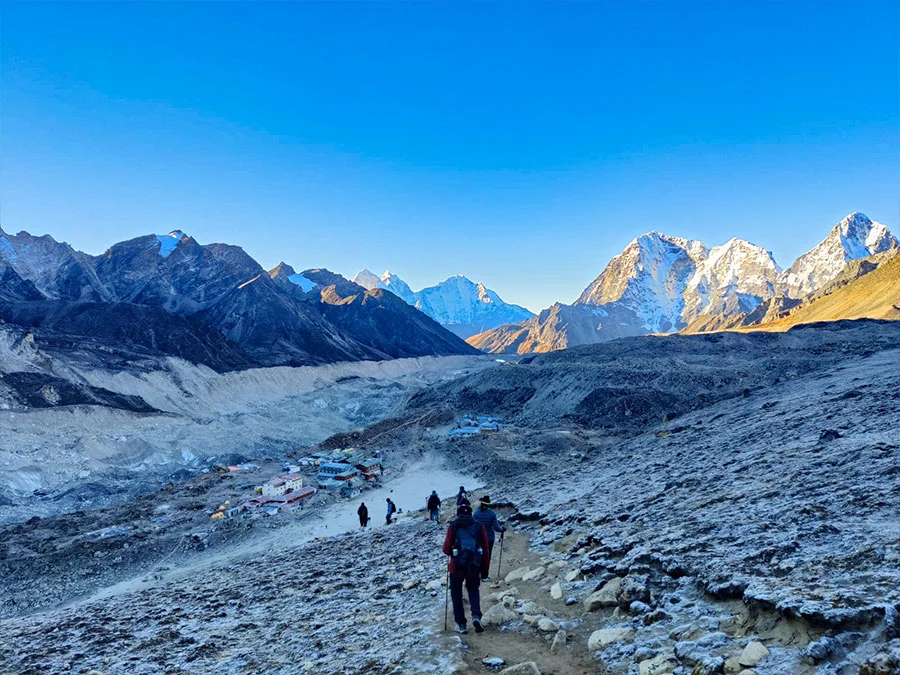
Trips to Everest Base Camp (EBC) is an adventure trip that tempo travelers from different countries want where they can experience and see the dazzling loveliness of Himalaya. Sherpas are one of the best people for this route and if you wanna explore almost everything in it, then who but a Sherpa will take you by him/herself to feel as well relate with Roots! Their profound relationship with the land, along with their expertise and experience make a vital contribution toward turning what might appear to be an athletic feat into something colorful, memorable. Ascend dozens of lush valleys and alpine forest, pass by towering peaks or follow winding glaciers through the heart of Asia’s highest mountains–all accompanied by your experienced Sherpa guide. Familiar with the trails, they even show us unique and off-the-beaten-path vistas—out of hidden valleys or from breathtaking mountain viewpoints which all serve as awesome photo ops. Sherpas regal you with anecdote along the route: about the contours of land, history behind it all and Sherpa mountain worship that has always been part-and-parcel with mountains making this a trek alive itself into some narrative.
In addition to its natural beauty, Sherpas familiarize trekkers with the area’s unique cultural legacy. They return trekkers into the arms of Buddhist monasteries, meaning out prayer flags and what motivates spiritual belief in communities like that of Sherpa. Trekking near prayer wheels twirling in the wind, or monasteries high up on mountain sides with monks walking metaphorically in otherworldly fashion down to meet and greet you is powerful stuff but sherpas educate trekkers regarding their sacred sanctity by providing cultural orientation to these landmarks. In short, they provide you with a narrative on the customs and purposes of these places than to see for your mountains as just physical challenges then spiritual landscape.
Navigating the environment cautiously and respectfully-This includes helping tourists to interact with nature in a respectful manner that is also something meaningful. They support the local economy and encourage environmentally friendly practices like taking out everything you take in, to protect our mountains fragile eco system. Sherpas model responsible behavior, including carrying the garbage out and encouraging trekkers to use local businesses that work towards promoting sustainable tourism. These give a glimpse of how the mountains play as much a part in daily life as they do during times when adventure beckons, from supplying water to supporting local communities.
They even take care of navigation and security. Sherpas assist trekkers to appreciate the process by accommodating them along at their pace making sure nobody is rushed or overwhelmed. They are there to cheer you on, and their words of encouragement bring real energy back into trekkers when the Altitude or physical fatigue begins to take its toll. Through the sharing of local wisdom and emotional support, Sherpas help to make the trek more about taking it all in – Yes a trip like EBC can be achieved but also we experience everything that makes up Everest Base Camp Trek so enchanting.
Sherpas open your eyes to the natural beauty of any trek whether it be in yaks, or mountain peaks: yes, they will lead you through this expanse — but their stories also do not try only picturesepic. They allow you to understand and feel the mountains at their fullest depth rendering your travel not only a trek but a complete experience that helps creates lifelong memories in terms of nature, as well as culture from around everest.
Sherpas and the EBC Trek
The Sherpas play a much more diverse role than just serving as guides on the Everest Base Camp (EBC) trek. Sherpas play an indispensable part in the success and safety as they provide assistance, guidance and experience making our difficult journey to trek easier. Sherpas have been leading trekkers on the Himalayas for centuries, and traveling with one during your EBC trek gives you a sense of security in addition to exposure to their expertise and cultural diversity. PerfilnasNot only are they guiding trekkers, often with logistics and gear in tow, but Sherpas also act as cultural ambassadors who provide a richer backdrop to the traditions of this region, including its spirituality. This rare and serene bond with their surroundings, coupled with the fact that they are biologically well suited to high altitude environments renders these lovable animals irreplaceable for anyone embarking on a trek towards Everest Base Camp. In scaling treacherous inclines, in fighting off mountain sickness, and even when all you want to do is sit for hours on end just staring at the enormity of the Himalayas – Sherpas are with you till your journey is safe & seamless whilst every minute of it experiences enriched goodness.
A Brief History Of Sherpas In Mountain Climbing
When it comes to mountaineering, especially in the Himalayas, Sherpas have a rich history. The word “Sherpa” also relates to a subgroup of people in Nepal who are from the Solu-Khumbu region, near Mount Everest. But it wasn’t until the early 20th century that Sherpas’ relationship with mountaineering began to blossom, first when they helped Western climbers conquer the world’s highest peak. Early-20th-century Patagonian runners had more-way-out genes which gave them that add-on bit of lung, or few extra red blood cells needed for high-altitude climbs. Sherpa began serving people all around the world, by carrying luggage and supporting climbers themselves on their way to new heights of expedition; most notably in Sir Edmund Hillary and Tenzing Norgay’s successful ascent of Mount Everest (1953), placing Sherpas among some legendary climber history. In time Sherpas began to move from mountain expeditions to daily trekking as they were the favorites of Everest Base Camp trekkers, due to their professionalism in navigating the tough terrain known by no other. Today, it is the Sherpas who are at the heart of Himalayan expeditions blending centuries-old local wisdom with a profound reverence for their way of life and concern over safety standards in lands where lonely travelers trek.
Guided by the Sherpas: Skills and Wisdom
Sherpas are considered to be specialists of the category and highest recommendation by most enphasizers, they possess an impressive experience in handling alpine trips for their incredible level or expertise. Sherpas, who hail from the Everest region have been born here and each zig-zag course of rugged trail that arrows toward Base Camp is second nature to them. This allows them to expertly navigate trekkers along the trail and through even its most difficult sections, with an intimate knowledge of terrain and weather patterns — seamanship on land. They can also deal easily in high altitude conditions which often causes problems for normal trekkers suffering from Altitude Sickness. Since they are used to thin air and have their training, these people can easily detect symptoms of altitude sicknesses in trekkers and immediately take action. Finally, as they do a lot of walking and trekking – their main work is to guide big groups where they know the way. They can be trained in first aid treatments or even giving CPR (cardio-pulmonary resuscitation) so this gives everybody safety line: if you break your ankle when climbing down during an expedition Sherpas will care for you until help arrives on time with mountain rescue team. They also orient trekkers with the cultural and spirtual value of land, explaining how to interact monasteries along physically visible pathways or prayer flags/sacred sites tucked away from view. The combination of their physical endurance, technical expertise and cultural knowledge is an absolute must for anyone backpacking to Everest Base Camp.
A Sherpa is a very important person when it comes to safety — the pack navigator and risk assessor.
This guide plays significant role in the security of Everest Base Camp trek Cost which can never be underestimated. They are not merely guides but also risk managers who should always bear in mind the difficulties and risks before high-altitude adventures. One of the components that makes it so difficult is orienteering, especially in around Everest region. Sherpas are great at reading the mountains and weather changes as terrain can go from friendly to dangerous quickly, they will adapt your trek for safety of everyone involved. From dodging rockfall off a crumbly ridge line to adjusting the schedule to avoid being high on icy terrain during dangerous weather, Sherpas are adept at risk management. They are also trained as high-altitude first responders and can assess and treat altitude sickness, injuries or other issues that hikers may experience. In the case of an emergency, they know how to evacuate and can arrange for a rapid evacuations or helicopter rides out take sick climbers further too better medical facilities. Trekkers can conveniently enjoy their trek without having to worry about the way of doing it as these experts deploy years of experience in handling risk, for an average trekker all they have left is enjoy the adventure.
Local Knowledge: Terrain and Its Effects on the Race
One of the biggest benefits to trekking with a Sherpa is their incredible knowledge about all things local. The Everest Base Camp trail is a challenging environment and one that its Sherpas know intimately. The trek rises from the steep climbs of Namche Bazaar to very rough paths that are headed toward Gorak Shep, all along which lies topography and obstacles as well as several potential dangers for Sherpas. Contains such crevasses they are armed with full expertise in order to lead the trekkers into their easiest and shortest ways thus avoiding rockslides, nightmarish paths, rapidly changing climactic conditions etc. Sherpas also know the climate and changes of seasons that often have a big effect when it comes to trekking conditions. This enables Nepal TrekK to anticipate weather forecasts thereby, modifying the trekking schedules in order not be caught up by lethal storms and gales. Furthermore, the trekkers are supported with required guidance from Sherpas who know where to find rest stops, fresh water and safe day breaks. Their knowledge of the land keeps trekkers safe, and they also offer insights that help to round out your experience by pointing you towards where views are best or what spot has cultural meaning. That insider local knowledge is vital to any adventure on Everest Base Camp trek, an honor that cannot be replicated.
Assistance in the Physical and Mental Tests of Trek
Hiking to Everest Base Camp (EBC) is an exercise in both physical and mental endurance. The steep hike and high mountain environment can make you feel tired while others might find it challenging. Trekkers rely on Sherpas to help them navigate physical paths and mental barriers. They provide the physical assistance, transporting heavy loads for trekkers and overtime guiding them through difficult terrain to ensure that they are manageable. When it comes to the psychological dimension, trekkers are generally themselves and Sherpas typically fulfill roles designed to help us through those tough times during which we have doubts or feel too tired. They are present always motivated, they keep on boosting trekkers and by looking at the mood of their group shall never ever allow anyone to get overwhelmed. Sherpas encourage, mother-hen and pace runners through the valleys ensuing that their morale never falters when they tire. The support and the understanding of these people play a crucial role in trek which will help trekkers to fight every mental, physical challenge coming on their way.
Sherpas & Altitude Adaptation
And altitude acclimatization is key component of a successful Everest Base Camp trek. The Himalayas are the most difficult location due to its high altitude environment; with oxygen levels decreasing significantly as you increase elevation, forcing climbers to use supplemental bottled oxygen. Altitude sickness, when trekkers climb too rapidly and may become deadly – Sherpas, specifically adapted to the thin air of this domain, have great knowledge on how best to acclimatize efficiently. They lead trekkers on pre-determined itineraries with gradual climbs and strategic acclimatization breaks along the route. These are rest days so your body can adjust to the thinner oxygen in an attempt at lowering high altitude sickness. Sherpas also keep a close eye on trekkers for signs of altitude sickness — headaches, dizziness, nausea and the like –and are trained to respond quickly. They know the altitudes and how different elevations affect the way one’s body reacts, so they are essential to keeping trekkers safe as they ascend on their journey toward Mount Everest Base Camp. The Sherpas are the protectors of trekkers not just as guides but also in terms of health at this high altitude.
Cultural Intermissions: Sherpa Cultural Emissariestheultimatedegree.org_community
Sherpas are not just expert trekkers and climbers, but also the cultural spokespersons of Everest region. Sherpas, who grew up in the mountain communities situated on either side of Mount Everest itself have an incredible depth to their understanding about how things work out here between Khumjung and Namche Bazaar. On the way to Everest Base Camp, trekkers learn about cultural sights from their Sherpa guides like monasteries and stupas and prayer flags. They offer trekkers an understanding of the Buddhist influences in the region — their prayer rituals and reverence for local deities; enlightening tales about how each mountain is integral to a Sherpa community. Such cultural guidance enhances the trekking experience, converting it into a much richer and more in-depth discovery of traditions of those far-off mountain ranges. Sherpas explain the local customs, offer an insight into the religion of a Sherpa community and encourage trekkers to respect both land & its people ensuring that trekker grasp essence cultural heritage around Everest region. Sherpas, with their knowledge and storytelling around every corner turn the trek into a cultural experience instead of just being plain physical.
Sherpas and Mount Everest — The Saga Continues
Sherpas and Mount Everest are inseparably linked, their relationship goes beyond climbing or trekking; it’s a rich tapestry of spirituality and culture woven over generations. For a long time, sadness hung before the eyes of the Sherpas who have lived in Everest for centuries and their most important landmark is considered sacred to many. They believe mountains as dwelling of gods and they think that mountain protects their land and people. Respect for Everest is a part of the Sherpa tapestry; it colors their interpretation and experience of mountaineering, appreciation even finding its way out on tourist treks. Though the first successful summit of Mount Everest by Sir Edmund Hillary and Tenzing Norgay in 1953 may have solidified knowledge of the prowess with which Sherpas can climb, their relationship to that mountain was always more personal union than academic study. Everest is not a technical challenge to be trod upon with crampons for Sherpa guides like Rinzin Dorjee, but a sacred place wrapped in the arms of goddesses and gods that they are duty bound to respect. They infuse their work with a spiritual connection. Sherpas who guide trekkers to Everest Base Camp do so, not just with their expertise but also as a matter of duty, embodying respect for the mountains themselves and turning it into cultural rituals along an inexplicable bond that ties them irreparable… For trekkers with pilgrimage through a land rich in spirituality and tradition on their minds, the draw of Everest delivers them into another connection to these mystical mountains.
Equipment & Gear : The Logistics of Sherpa Help
One of the most important roles that Sherpas play during Everest Base Camp trek Map is to take care if logistics concerning your gears and equipment for trek. Though trekkers must carry some of their own kits, Sherpas typically haul large loads including tents and cooking gear as well as all the other infrastructure needed to keep a trek fueled. They pack all the gear and keep it organized so when they arrive at a predetermined stop everything required for that particular leg of the journey is prepared. They help in handling the trekking equipment to make sure trekkers have appropriate attire and tools as per weather changes. Things like handing out all the right layers to people so they are warm, or checking trekking poles (called “risk management” for Sherpas). They know the terrain they are passing through, so take great care in picking out only equipment needed for each section of the trek to make ensure you have everything you need while keeping away all extra weight from your rucksack as well. Making and breaking camp, caring for supplies, cooking (i.e., fixing) meals — they do everything but housekeepers make the bed each night. Obviously their logistical skills are all paramount but they go a long way to ensuring that the hikers can concentrate simply on enjoying their adventure. Sherpas come with equipment and gear to make your EBC trek smooth as well as successful, they are of great help.
Sherpa Emotion of the Heart and Soul
While sherpas help ease the physical and logistical burden on an Everest Base Camp (EBC) hike — they also provide much needed emotional/ spiritual support. Emotionally, it can be hard to trek all the way into such a remote high altitude location and you may have days where you are exhausted or feel lonely — or simply watch out for going insane at how beautiful the scenery in The Himalayas is. Sherpas usually have a gentle nature and they are often seen giving words of encouragement to the trekkers in hard times. From reading the mood of a trekker and consequently enhancing, modifying or decelerating the pace or strategy can play an important role in how trekkers remember feeling through their journey. And beyond physical and emotional support, Sherpas can provide spiritual guidance too – informing trekkers about the sacred territory they explore. The Everest region is the Buddhist part of Nepal and you will see many prayer flags, stupas, electric lines beautifully turned to pray robinsor shapes (Khatags) on miles and paths rocks with religious scriptures. Sherpas explain the background to these places, which makes it easier for trekkers absorb and appreciate culture and tradition of this land. They also urge trekkers to practice presence, mindfulness and gratitude to make the trek a two-fold challenge not just physical but mental as well. Sherpas aid the trekkers merging emotional care and spiritual insight, guiding them to peace and offering strength through connection on foot of love for land, mountain but most importantly knowledge of self.
Sherpas as Saviours: RapidAction of Saving lives during Emergencies
WHAT ARE THE MAIN RESPONSIBILITIES OF SHERPAS DURING EVEREST BASE CAMP TREK One of the vital roles Sherpa serve in hand is their prompt and efficient response during any kind emergency. A high-altitude trek can be for anything from any injury to a small change in the weather at that height. Sherpas are generally the first to respond in such circumstances as their training, experience and knowledge of Himalayan topography & logistics help them against time rather than any “climbing speed difference”. Sherpas have experience with high-altitude first aid that includes assessing the symptoms of altitude sickness and taking effective preventive measures. In more grave emergencies, sherpas can help orchestrate relief missions: sometimes helping to usher trekkers down into lower altitudes or contributing in evacuation plans. These relationships with nearby hospitals and experience at dealing with high-stress situations help them to make snap decisions when they need it most, ensuring that assistance is always on the way. In times of crises, Sherpa are very emotionally stable and this helps in preventing panic among trekkers who feel assured for safety. These experienced Sherpas lurking just within reach provide a sense of security that can be the difference for anyone trekking in one of Earth’s harshest lungs. For the sherpas to do so at great risk themselves is a measure of their profound sense of responsibility and selflessness.
Sherpas and Sustainable Trekking — Environmental Stewardship
The sherpas are more than just guide dogs when it comes to trekkers security and the well being of their excursions in the Everest region. From the rise of helicopter-supported treks on Everest to increased foot traffic at base camp, Mount Everest and its surrounding region is experiencing significant change as each year over 35,000 tourists arrive in Solu-Khumbu Valley. This natural environment is where the Sherpa have lived for centuries and they know better than anyone that their land it’s much more important. They contribute significantly to educating trekkers on good trekking practices (e. g., packing out all rubbish, staying on marked trails and being mindful of local flora/fauna along the trail). Numerous Sherpas are engaged in local efforts related to sustainability with the support of local organizations, that helps reduce the environmental impact of trekking on a region. As part of this, we are working on decreasing plastic usage through our campaigns, promoting eco-friendly stays and introduction sustainable practised across villages and guest houses. Sherpas are also integral to helping preserve the cultural heritage of the region and work tirelessly to ensure on one hand trekkers comprehend how imperative it is that they maintain reverence for local traditions, and religious sites. Their work to promote sustainability is crucial in safeguarding the Everest region so that future travellers and generations can bear witness first-hand to its awe-inspiring beauty, without leaving an irreversible impact on this delicate environment.
Ways Sherpas Make the Full Experience of the EBC Trek Better Sherpas are the soul of the Everest Base Camp . Without them, the EBC trek would certainly be unbearable. However, thanks to their experience, endurance, friendliness, and spirituality, the EBC trek is a smooth, safe, and enriching experience. First and foremost, trekkers often tell that they would be lost without a Sherpa. They help navigate rough terrain, monitor the signs of altitude sickness, and make sure trekkers’ schedules are balanced. On top of that, the Sherpa are some of the nicest people you’ll ever meet. They are friendly, jovial, and will cheer you up every time you feel tired. The make shift seems easy and completely safe. Second, the overall culture of trekking to EBC would certainly be very different without the Sherpas. Their knowledge of local landmarks, monasteries, and customs creates a unique cultural atmosphere. On a more personal note, there is no doubt that every trekker becomes better and stronger thanks to a Sherpa. They entertain trekkers when fatigue strikes and cheer up during milestones. The essence of the trek – the positive, inviting atmosphere where everyone feels that you belong – is largely thanks to every Sherpa one meets on their way to base camp.
Recent Posts: A Note of Thanks and Respect to all Sherpas.
Sherpas’ contributions to the Everest Base Camp (EBC) trek have spanned more than most people recognize. Although it is often how others view them, guides and porters do so much more for the success of a trek. Sherpas keep trekkers safe, healthy and happy in unfamiliar difficult terrain and high-altitude conditions. Providing precious cultural and spiritual insights, these trekkers essentially assist in allowing the outsiders get a feel of Ladakh’s ancient traditions as well as sentiments. Sherpas are also there as emotional support, constantly telling the trekkers to push ahead and reassuring them in moments when they feel their own energy wavering. Their passion for nature and sustainable tourism guarantees that the incredible beauty of the Everest area will not be lost ever in order to come. As a trekker, it is crucial to understand the magnitude of their efforts and say thanks for undying support. trekkers and Sherpas experience a bond that can last well beyond the trek itself; many trekkers forge deep respect for their knowledge, resilience, and generosity. For everyone setting out to tackle the EBC trekking trail, identifying and appreciating the very important place of Sherpas in it all will give them at least some insight into what a unique experience this journey is — and that there is much more to it than mere physical enduranc